


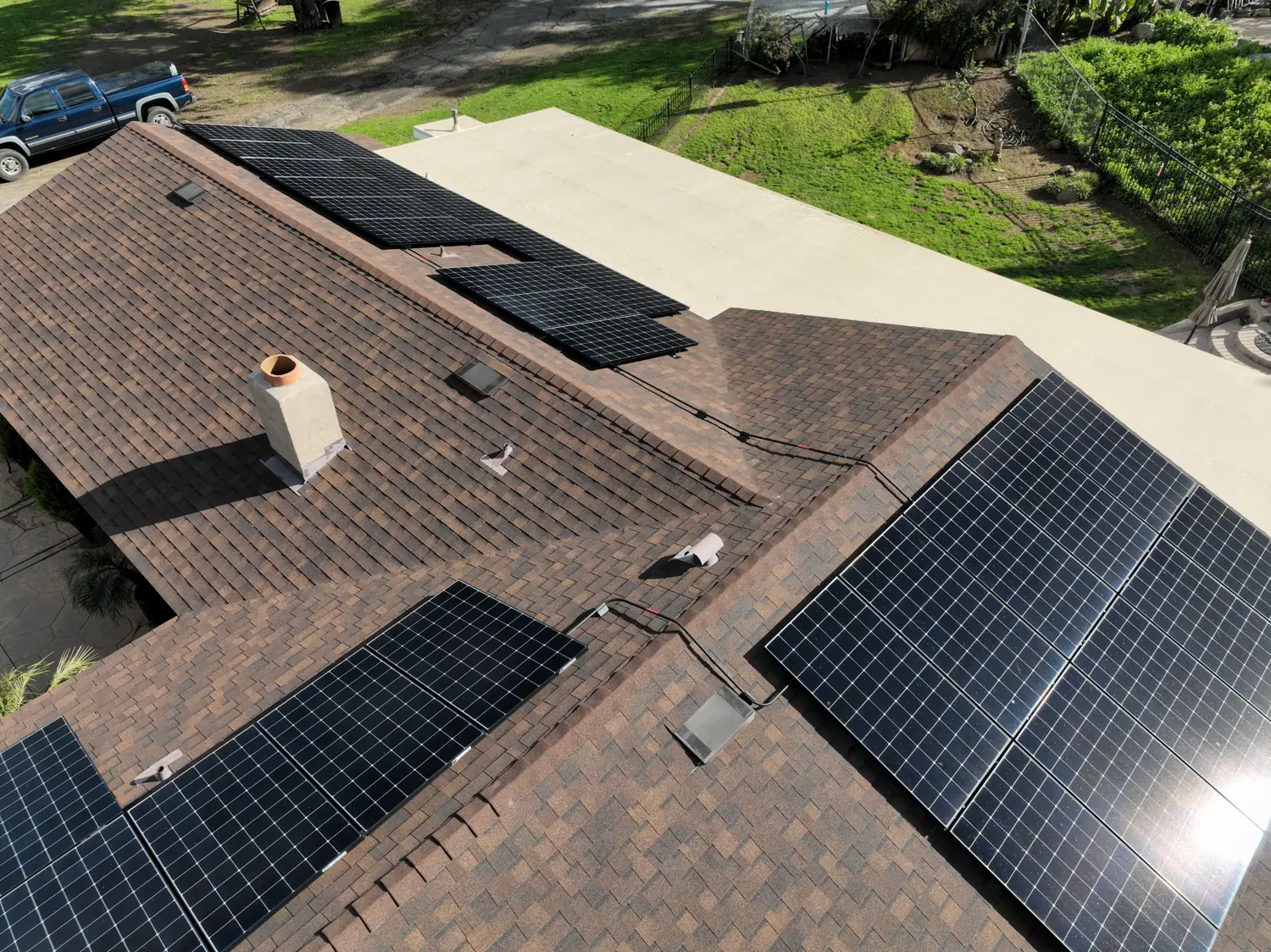
In most cases, installing solar does not raise your property taxes in California. The California solar property tax exclusion lets you add a qualifying active solar energy system without the county assessor counting its added value toward your assessed value. The exclusion has a sunset date set by the state legislature, so as of 2026, confirm the current deadline before you plan your project.
Does installing solar raise your property taxes in California?
Normally, when you make a major improvement to your home in California, such as a room addition or a new pool, the county assessor reassesses the value of that new construction and your property tax bill goes up. Solar is treated differently. Under Section 73 of the California Revenue and Taxation Code, a qualifying active solar energy system is excluded from the definition of new construction for property tax purposes. That means the value your panels add to your home is not added to your assessed value, and your tax bill stays based on what it was before the system went in.
Your property taxes can still change for other reasons, such as the normal annual inflation adjustment allowed under Proposition 13 or other improvements you make. The exclusion only shields the solar system itself.
How does the California solar property tax exclusion work?
The exclusion works automatically for most homeowners. When the installer pulls a building permit for your system, the county assessor receives a record of the work. The assessor recognizes the system as an active solar energy system and does not add its value to your assessment. In San Diego County and most other California counties, you generally do not need to file a separate claim as a homeowner who installs solar on an existing home. Rules and forms can vary, so as of 2026, confirm the current process with your county assessor's office.
If you buy a newly built home with solar already installed by the builder, a different path applies. The original buyer may be able to receive the exclusion if the builder files the right paperwork with the assessor. If you are buying new construction, ask the builder directly whether that filing was made.
What parts of a solar system qualify for the exclusion?
The exclusion covers the components that collect, store, and distribute solar energy. As of 2026, confirm the current definitions with your county assessor, but qualifying equipment generally includes:
- Solar panels and mounting hardware
- Inverters and the wiring that connects the system to your home
- Storage devices that hold solar energy, such as a home battery charged by your panels
- Solar carports and ground-mounted arrays that serve your property
- Certain dual-use components, which may be partially excluded
Battery storage matters more than ever in California. Under NEM 3.0, the energy you export to the grid is worth less than it was under NEM 2.0, so pairing panels with a battery lets you store daytime production and use it in the evening. You can compare options like the Tesla Powerwall (about 13.5 kWh usable), Enphase IQ, Generac PWRcell, LG, and sonnen on our battery storage page.
How long does the solar property tax exclusion last?
Once your system qualifies, the exclusion stays in place until the property changes ownership. When you sell your home, the new owner's purchase triggers a reassessment of the whole property under normal California rules, and the solar system's value can be included at that point. If you keep your home, the exclusion continues for as long as you own it.
The bigger timing question is the program's sunset date. The legislature has extended the exclusion several times. As of 2026, it is scheduled to apply to systems completed before January 1, 2027. Confirm the current figure, since the legislature could extend or change it. If you have been thinking about solar, this is a practical reason not to wait until late in the year when permits and inspections can back up.
Does the exclusion apply if you lease your solar system?
If you lease your system or sign a power purchase agreement, a third-party company typically owns the equipment, not you. In that case the system is generally not part of your assessed property, and any property tax treatment is handled by the system owner. If you buy the system with cash or a loan, you own it and the exclusion applies to you directly. You can compare lease, loan, and purchase options on our financing page.
How does the property tax exclusion stack with other solar incentives?
The property tax exclusion is one piece of the savings picture. It does not reduce your upfront cost, but it protects you from a higher tax bill after installation. Other incentives can lower what you pay:
- The 30% federal Investment Tax Credit (ITC) for qualifying systems you own. As of 2026, confirm the current figure and eligibility rules. Learn more at our Tax Credit page.
- California's Self-Generation Incentive Program (SGIP) for battery storage. As of 2026, planning figures are roughly $200-250 per kWh for the General tier, about $850 per kWh for the Equity tier, and about $1,000 per kWh for Equity Resiliency. Confirm the current figures, since funding and tiers change.
- For businesses, the commercial ITC plus 100% year-one bonus depreciation. As of 2026, confirm the current rules with your tax professional.
Powersmith Energy is an energy consulting company, not a tax advisor. Talk with a qualified tax professional about how these incentives apply to your situation.
What should you do before you go solar?
A few simple steps will help you get the full benefit of the exclusion and avoid surprises:
- Make sure the system is permitted. The permit is how the assessor learns about your system and applies the exclusion.
- Keep your contract, permit, and final inspection records in one place.
- Plan your timeline around the current sunset date, and confirm it with your county assessor.
- If you receive a supplemental tax bill after installation that seems to include the solar system, contact your county assessor's office to ask about the exclusion.
- Decide early whether you want to own or lease, since ownership affects both the exclusion and the federal ITC.
How can Powersmith Energy help?
Powersmith Energy is a veteran-owned energy consulting company and authorized dealer based in downtown San Diego, serving California and 16 states. We are not installers. We partner with vetted top national and local installers, and we advocate for you from design through permitting, inspection, and interconnection, so details like the permit record that supports your property tax exclusion get handled correctly. Panels come with a 25-year limited manufacturer warranty, provided by the manufacturer, not by us.
To see what solar could save you, start with our free solar savings calculator, or request a free quote and we will walk you through your options, including battery storage and incentives.
Frequently asked questions
- Will adding solar panels increase my property taxes in California?
- Generally no. California's solar property tax exclusion under Revenue and Taxation Code Section 73 keeps the value added by a qualifying active solar energy system out of your assessed value. As of 2026, confirm the current rules and deadline with your county assessor.
- Do I need to file a form to get the California solar property tax exclusion?
- Most homeowners who add solar to an existing home do not need to file a claim. The county assessor learns about the system through the building permit and applies the exclusion. Buyers of new homes with builder-installed solar may need the builder to file paperwork, so confirm with your builder and county assessor.
- Are solar batteries covered by the property tax exclusion?
- Storage devices that hold solar energy are generally included in the definition of an active solar energy system. As of 2026, confirm current definitions with your county assessor. Batteries also help you get more value from your system under California NEM 3.0.
- What happens to the solar exclusion when I sell my home?
- The exclusion lasts until the property changes ownership. When you sell, the new owner's purchase triggers a normal reassessment, and the solar system's value may be included at that point.
- When does the California solar property tax exclusion expire?
- As of 2026, the exclusion is scheduled to apply to systems completed before January 1, 2027. The legislature has extended it before, so confirm the current deadline before planning your installation.