


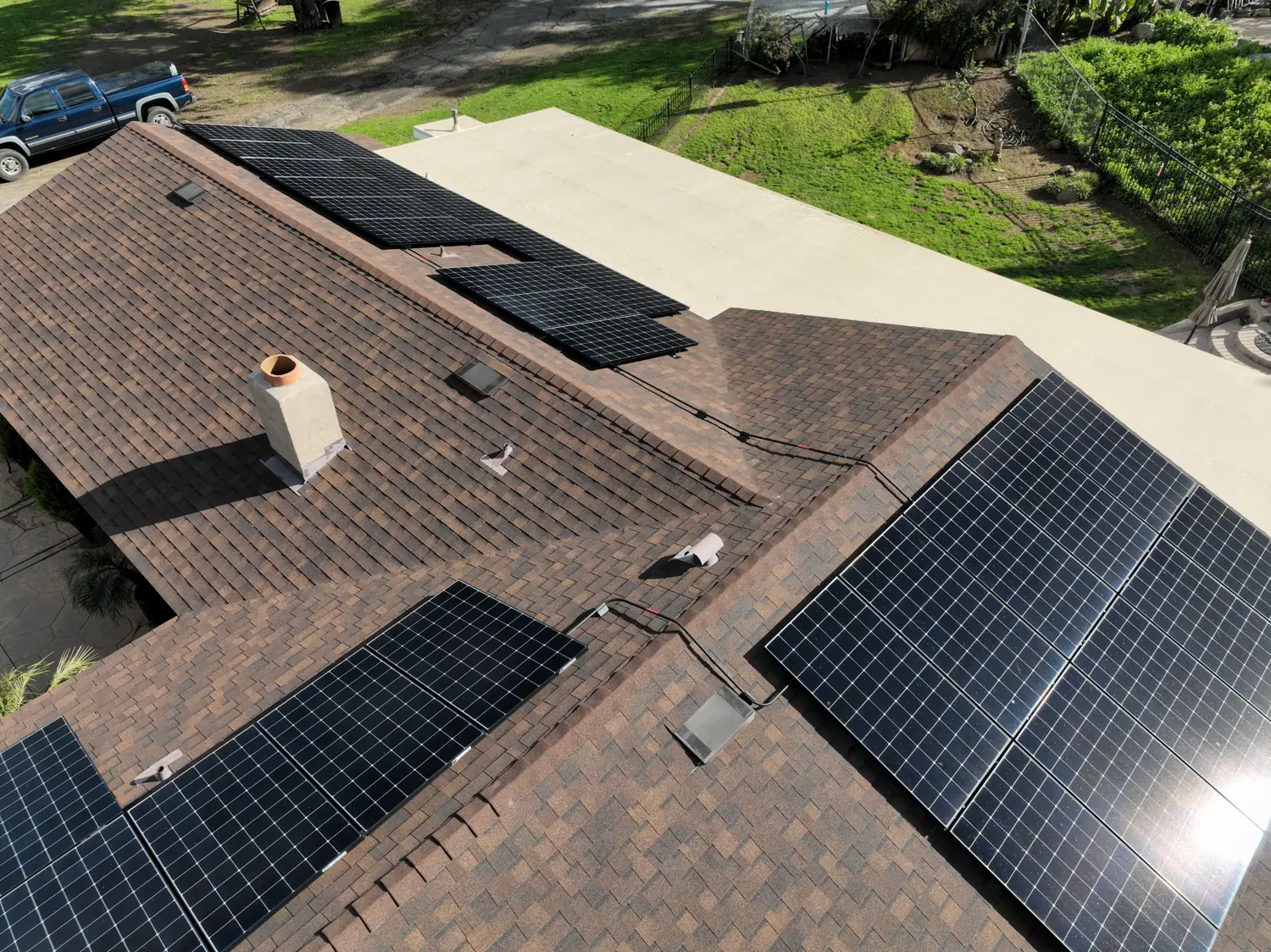
Yes. California businesses can generally stack the 30% federal solar Investment Tax Credit (ITC) with state and utility-level incentives like California's Self-Generation Incentive Program (SGIP) for battery storage, plus 100% year-one bonus depreciation on the remaining basis. As of 2026, confirm the current figures with a tax professional, but combining federal, state, and depreciation benefits is standard practice for commercial solar projects in San Diego.
What federal incentives apply to commercial solar in San Diego?
The federal 30% ITC is the anchor incentive for commercial solar nationwide, including San Diego and the rest of California. It applies to the total cost of a qualifying solar energy system, and in many cases battery storage paired with solar qualifies too. Commercial projects can often also take 100% bonus depreciation in year one on the depreciable basis of the system, which is separate from the ITC but compounds the overall return. Powersmith Energy walks commercial clients through how the ITC benefits apply to their specific project before they sign anything.
Does California stack state incentives on top of the federal ITC?
In most cases, yes. California does not offer a blanket state tax credit for commercial solar the way some states do, but it does offer the Self-Generation Incentive Program (SGIP) for battery storage, and SGIP is designed to work alongside the federal ITC rather than instead of it. SGIP has tiers: a General Market tier, an Equity tier for qualifying customers, and an Equity Resiliency tier for customers in high fire-risk areas or with specific medical needs. As of 2026, General Market incentives run roughly $200 to $250 per kWh, Equity around $850 per kWh, and Equity Resiliency around $1,000 per kWh, confirm the current figures before budgeting a project, since SGIP tiers and funding levels change.
Why does NEM 3.0 change the math for San Diego businesses?
California's NEM 3.0 export compensation structure pays significantly less for exported solar energy than the earlier NEM 2.0 structure did. For businesses, that means a system sized purely to offset usage without storage leaves savings on the table, because excess daytime production is worth less when sent back to the grid. Pairing solar with battery storage lets a business store that excess energy and use it during expensive peak-demand hours instead of exporting it for a lower credit. This is one of the biggest reasons commercial customers in San Diego are adding storage now instead of treating it as a future upgrade.
How do commercial projects actually combine these incentives?
A typical commercial project in California layers incentives rather than picking one. The business claims the 30% federal ITC on the solar and often the storage portion of the system, applies bonus depreciation to the remaining depreciable basis in year one, and if storage is part of the design, applies for SGIP funding to offset a portion of the battery cost. Each incentive has its own paperwork, deadlines, and eligibility rules, which is why working with an energy consulting partner who tracks all three simultaneously matters more for commercial projects than for a typical home installation.
What has this looked like on real California commercial projects?
Powersmith Energy has worked on commercial solar projects across California that illustrate the range of what's possible, including a 540 kW system for Lynam Industries 1 in Fontana, an 850 kW system for Rock Church in San Bernardino, a 550 kW carport system for Pacific BMW in Glendale, a 97.2 kW system at 825 North Parkcenter in Santa Ana, a 76 kW system at Rose Hedge, and a 42.8 kW system for Pathways 1 Sober Living. These projects span different building types and sizes, which is the point: the federal ITC and depreciation benefits scale with the project, and SGIP eligibility for any battery component depends on the specific site and customer category.
Who should a business talk to before committing to a system size?
Incentive stacking only works if the system is designed around it from the start, not added as an afterthought. A business considering solar should review options through our Commercial Solar page before finalizing a system size, and look at our Battery Storage page if storage from Tesla Powerwall, Enphase IQ, Generac PWRcell, LG, or sonnen is part of the plan. Financing structure also affects which incentives are available, since ownership versus lease changes who can claim the ITC and depreciation, so it's worth reviewing our Financing page early. A free quote through our Free Quote page is the fastest way to get a project-specific answer instead of a general estimate.
What does Powersmith Energy do differently on commercial incentive stacking?
Powersmith Energy is a veteran-owned energy consulting company and authorized dealer based in downtown San Diego, serving California and 16 states. Powersmith Energy is not an installer and does not run a crew; the company partners with vetted national and local installers and advocates for the customer through design, permitting, and incentive paperwork. That distinction matters on commercial projects, where SGIP applications, ITC documentation, and depreciation schedules all have to line up correctly, and a business benefits from having someone on their side of the table who isn't also the one swinging the hammer. Learn more about that approach on our About page.
Frequently asked questions
- Can a San Diego business claim both the federal ITC and California SGIP?
- Yes, in most cases. The federal 30% ITC applies to the solar and often the storage system, while SGIP is a separate California incentive specifically for battery storage. As of 2026, confirm current rules with a tax professional, but the two are designed to work together, not as alternatives.
- What is the SGIP incentive worth for a commercial battery in California?
- SGIP has tiers: General Market runs roughly $200-250 per kWh, Equity around $850 per kWh, and Equity Resiliency around $1,000 per kWh as of 2026. Confirm the current figures, since funding levels and eligibility change.
- Does NEM 3.0 affect whether a business should add storage?
- Yes. NEM 3.0 pays less for exported solar energy than the previous NEM 2.0 structure, which makes storing excess daytime production in a battery more valuable than exporting it, especially for businesses with high peak-demand charges.
- Does bonus depreciation reduce the amount a business can claim under the ITC?
- No, they apply to different parts of the cost basis and are typically used together. 100% year-one bonus depreciation applies to the remaining depreciable basis after accounting for the ITC, which is why most commercial projects use both incentives in the same year.
- Is Powersmith Energy the installer for these commercial solar projects?
- No. Powersmith Energy is a veteran-owned energy consulting company and authorized dealer that partners with vetted national and local installers to design and advocate for commercial solar projects; it does not operate its own installation crew.