


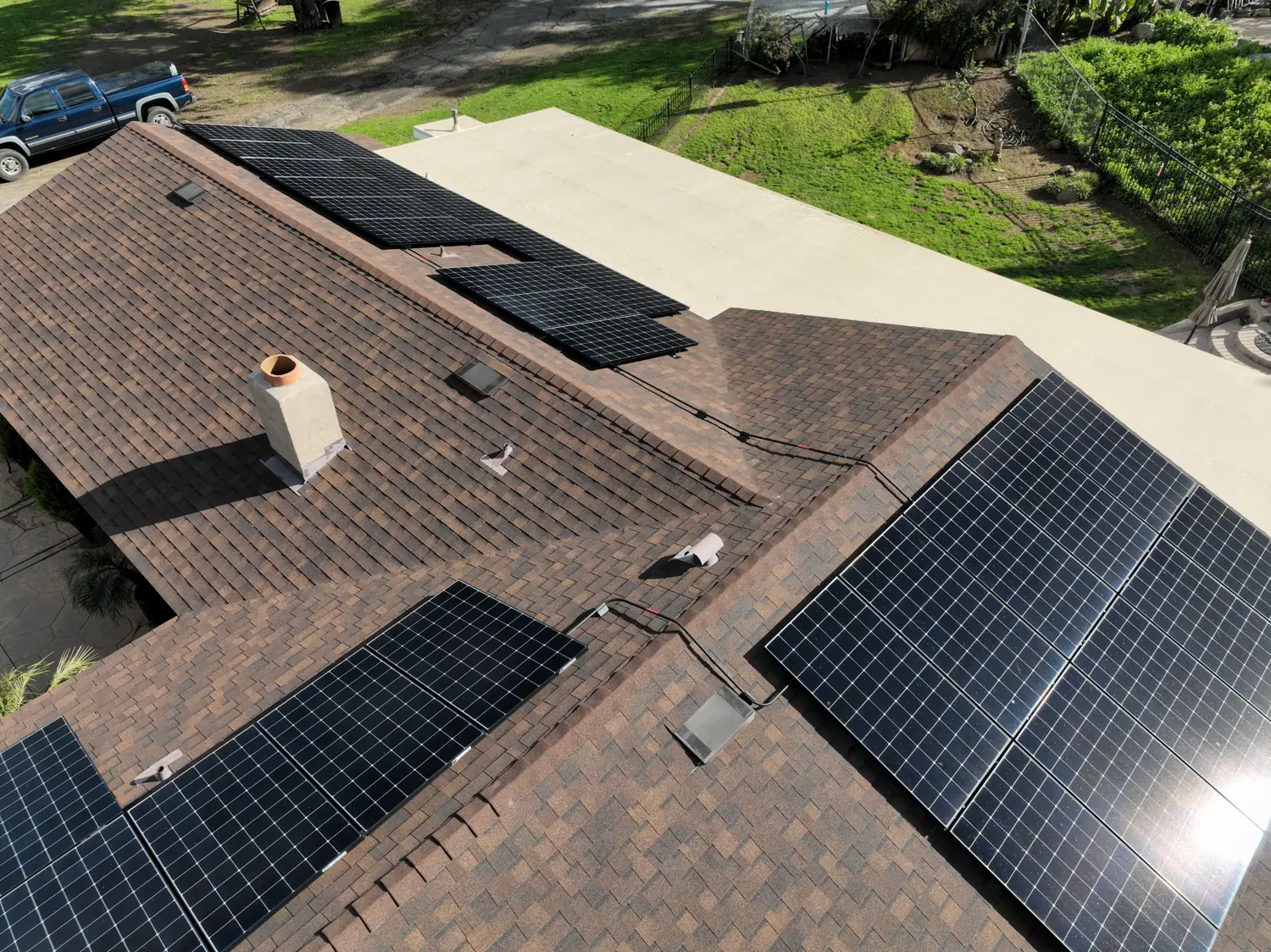
Some San Diego homeowners qualify for California's DAC-SASH no-cost solar program. You generally need to own and live in a single-family home in a state-designated disadvantaged community, be an SDG&E residential customer, and meet the program's income limits. If you qualify, the program's administrator arranges a solar system for your home at little or no cost to you. If you don't, other incentives and financing paths can still make solar work.
What is the DAC-SASH solar program?
DAC-SASH stands for Disadvantaged Communities – Single-family Solar Affordable Homes. It is a California Public Utilities Commission (CPUC) program funded through the state's investor-owned utilities, including San Diego Gas & Electric (SDG&E). Its goal is straightforward: help lower-income homeowners in communities hit hardest by pollution and economic stress get rooftop solar without taking on debt.
As of 2026, the program is administered by the nonprofit GRID Alternatives, which handles eligibility screening, system design and coordination of the work. Confirm the current administrator and program status with the CPUC or SDG&E before you apply, because program rules, funding levels and end dates can change.
Do you qualify for DAC-SASH in San Diego?
Eligibility rests on several tests, and you typically need to pass all of them. As of 2026, the core requirements look like this (confirm the current criteria before you apply):
- You own the home and it is your primary residence.
- The home is a single-family property, not an apartment you rent.
- You are a residential electric customer of SDG&E (or another participating investor-owned utility).
- Your home sits in a disadvantaged community as defined by California's CalEnviroScreen tool, or in another area the CPUC has designated as eligible.
- Your household income meets the program's low-income threshold, often tied to eligibility for SDG&E's CARE or FERA discount programs or to a percentage of area median income.
The disadvantaged-community test trips up many people. Two homes a few blocks apart in San Diego can land on different sides of the line, because CalEnviroScreen scores are assigned by census tract. Check your exact address with the administrator rather than assuming your neighborhood qualifies.
How does the DAC-SASH program work, step by step?
The process is designed to be simple for the homeowner. In general, it follows this path:
- Check eligibility: You submit basic information about your home, your utility account and your household income.
- Verify documents: You provide proof of ownership, residency and income so the administrator can confirm you qualify.
- Site assessment: A site visit evaluates your roof, electrical panel and sun exposure to see whether solar is practical.
- System design: The administrator designs a system sized for your household's usage within program limits.
- Installation and interconnection: A licensed installer completes the work and the system is connected to the SDG&E grid.
- Ongoing savings: Your system produces power and you see the effect on your SDG&E bill.
Timelines vary with demand, funding and permitting. Expect a waitlist in some cases, and ask the administrator for a realistic estimate when you apply.
Is DAC-SASH solar really no cost?
For most qualifying households, the program is built to cover the system with little or no out-of-pocket cost. The CPUC funds an incentive per watt of installed capacity, and the administrator combines that with other resources to close the gap. As of 2026, confirm the current incentive level and whether any homeowner contribution applies to your situation.
There are practical catches to understand. If your roof needs replacement or your electrical panel needs an upgrade before solar can go on, the program may or may not cover that work. Ask early so you aren't surprised.
How does NEM 3.0 affect DAC-SASH homeowners?
California's NEM 3.0 billing rules mean the solar power you export to the grid is worth less than it was under NEM 2.0. That changes the math for every solar home in San Diego, including DAC-SASH homes. The more of your solar you use yourself, the more value you get. Ask the program administrator how your system will be billed and whether any special provisions apply to low-income customers, and confirm the current rules with SDG&E.
Because of NEM 3.0, pairing solar with storage often makes sense. California's Self-Generation Incentive Program (SGIP) offers higher battery incentives for qualifying households. As of 2026, planning figures are roughly $200-250 per kWh for the General tier, about $850 per kWh for the Equity tier and about $1,000 per kWh for Equity Resiliency. Confirm the current figure before you plan around it. Our battery storage page covers options like the Tesla Powerwall (about 13.5 kWh usable), Enphase IQ, Generac PWRcell, LG and sonnen.
What if you don't qualify for DAC-SASH?
Many San Diego homeowners fall just outside the income limits or live in a census tract that isn't designated. You still have options. You can buy a system outright, finance it with a loan or choose a lease, and each path trades upfront cost against long-term savings differently. Our financing page walks through lease, loan and purchase side by side.
Federal tax credit rules for residential solar have shifted, so confirm the current status of the federal ITC with a tax professional before you count on it. State and utility incentives, including SGIP for batteries, may still apply depending on your situation.
To see what solar could look like for your home, start with our free solar savings calculator. It gives you a starting point before you talk to anyone.
How can Powersmith Energy help San Diego homeowners?
Powersmith Energy is a veteran-owned energy consulting company and authorized dealer based in downtown San Diego. We aren't the DAC-SASH administrator, and we aren't an installer. We are the sales and advocacy side of the job. If you might qualify for DAC-SASH, we'll point you to the program first, because no-cost solar beats anything we can sell you.
If you don't qualify, we compare equipment, incentives and financing, then match you with vetted national and local installers we partner with. We stay on your side through permitting, installation and interconnection. Panels we offer carry a 25-year limited manufacturer warranty; the manufacturer, not Powersmith, provides that warranty. When you're ready to talk through your options, request a free quote.
Frequently asked questions
- What does DAC-SASH stand for?
- DAC-SASH stands for Disadvantaged Communities – Single-family Solar Affordable Homes. It is a California Public Utilities Commission program that helps qualifying low-income homeowners in disadvantaged communities get rooftop solar at little or no cost.
- Who runs the DAC-SASH program in San Diego?
- As of 2026, the nonprofit GRID Alternatives administers DAC-SASH for SDG&E customers and other participating utility territories. Confirm the current administrator with the CPUC or SDG&E before you apply.
- Can renters qualify for DAC-SASH?
- Generally no. DAC-SASH is for homeowners who own and live in a single-family home. Renters and multifamily properties fall under different California programs.
- Should I add a battery to a DAC-SASH solar system?
- Under California's NEM 3.0, exported solar earns less, so storage can help you use more of your own power. Qualifying households may be eligible for higher SGIP Equity or Equity Resiliency battery incentives; confirm the current figures before planning.
- What can I do if I don't qualify for DAC-SASH?
- You can still go solar through a purchase, loan or lease, and you may qualify for other incentives such as SGIP for batteries. Powersmith Energy can compare options and connect you with vetted installers it partners with.