


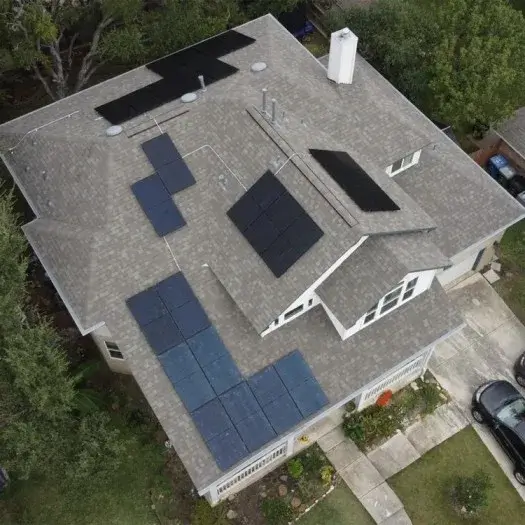
There is no single San Diego neighborhood that wins solar payback in 2026 — the fastest paybacks show up wherever a home has strong south- or west-facing roof exposure, high SDG&E electric bills, and a battery paired to the system under NEM 3.0. In practice, that means sun-heavy inland areas like Rancho Bernardo, Poway, and Santee, plus larger coastal homes in Point Loma or La Jolla with high air-conditioning or pool loads, tend to pencil out fastest.
Why Payback Depends on the Home, Not the Zip Code
Solar payback period is simply the time it takes for your energy savings to cover your system cost. Two houses on the same San Diego street can have very different paybacks based on roof pitch, shading from trees or neighboring structures, panel direction, and — most importantly — how much electricity the household uses and at what SDG&E rate tier. A home running electric heat pumps, an EV, and central air will generally pay back solar faster than a low-usage condo, regardless of neighborhood.
That said, some general patterns hold across San Diego County in 2026, and they are worth knowing before you request a quote through the Powersmith Energy solar calculator.
Inland Communities: More Sun Hours, Higher AC Bills
- Rancho Bernardo, Poway, and Escondido: consistently high summer temperatures push AC-driven electric bills up, which increases the value of every kilowatt-hour a solar system offsets.
- Santee and El Cajon: less coastal cloud cover in the morning means slightly higher annual production per panel than areas closer to the coast.
- Chula Vista and eastern Otay Mesa: newer construction with large south-facing roofs is common, which is close to ideal for solar orientation.
In these areas, the combination of high usage and strong sun exposure tends to shorten payback, especially when the system is sized close to actual annual consumption rather than oversized for future growth alone.
Coastal Neighborhoods: Slower Sun, But High Bills Still Help
Coastal San Diego neighborhoods like Point Loma, Pacific Beach, and La Jolla see more marine layer in the mornings, which can modestly reduce production compared to inland roofs. But many coastal homes are larger, older, and carry higher baseline electric usage — pools, spas, and bigger square footage all push bills up. When usage is high enough, the payback math still works out well even with slightly lower production, particularly for homeowners who add battery storage to capture more of their own solar output instead of exporting it under NEM 3.0.
How NEM 3.0 Changes the Payback Calculation
California's NEM 3.0 pays significantly less for exported solar power than the older NEM 2.0 structure did. That means a system designed to send excess power back to the grid for credit no longer pays back as quickly as it used to. The neighborhoods and homes seeing the best 2026 payback periods are the ones designing systems to maximize self-consumption — using more of the power on-site, especially in the evening, rather than counting on export credits.
This is why battery storage has become central to the payback conversation. Pairing solar with a Tesla Powerwall, Enphase IQ battery, Generac PWRcell, LG, or sonnen system lets you store midday solar and use it during evening peak rate hours instead of buying it back from SDG&E at a higher price. You can compare battery options on the Battery Storage page.
How Incentives Affect Payback in 2026
The 30% federal solar Investment Tax Credit no longer shortens payback for homeowners who buy, whether you are in a coastal or inland San Diego neighborhood. It ended for systems completed after December 31, 2025 — details are on the Tax Credit page. With a lease or PPA, the company that owns the system may claim a business credit if the project qualifies, and any benefit reaches you only through the price. California's Self-Generation Incentive Program, or SGIP, is a separate state program that offers rebates for qualifying battery installations, with General Market, Equity and Equity Resiliency tiers — check current SGIP availability and your eligibility before assuming a specific rebate amount. These incentives apply based on your household and equipment, not your neighborhood, so it's worth checking eligibility regardless of where in San Diego County you live.
What Actually Moves the Needle on Your Payback Period
- Your current SDG&E rate plan and average monthly usage
- Roof orientation, pitch, and shading — not just general neighborhood sun exposure
- Whether the system is sized for self-consumption with a battery or for export credits alone
- Financing choice — cash purchase, loan, or lease can all shift how you calculate payback
- Any available SGIP battery rebate (the federal credit for homeowners who buy has ended)
Because these factors vary so much by property, the most reliable way to estimate your own payback period is to run your address and usage through the free our Solar Savings Calculator page rather than relying on a neighborhood average. From there, the Residential Solar page team at Powersmith Energy can model a system sized to your actual roof and usage, with financing options outlined on our Financing page.
Why Local Experience Matters for an Accurate Estimate
Powersmith Energy is a veteran-owned solar company based in downtown San Diego, serving customers across California and 16 states, with residential and commercial installations, battery storage, EV charging, and backup generators backed by the manufacturer's standard 25-year limited warranty. Because the team installs across every San Diego microclimate — from foggy coastal mornings to hot inland afternoons — the payback estimates account for real local production data rather than generic averages. You can read more about the company's background on our About page or request a site-specific quote through our Free Quote page.
Bottom Line for 2026
The fastest solar payback periods in San Diego in 2026 tend to belong to high-usage households with good roof orientation, whether that's an inland Rancho Bernardo home with heavy AC use or a larger coastal Point Loma property with a pool. NEM 3.0 makes battery pairing more important than ever for hitting a strong payback. The federal credit no longer applies to systems homeowners buy, but any available SGIP rebate can still shorten the timeline. Your specific roof, usage, and rate plan matter more than your zip code alone.
Frequently asked questions
- Which San Diego neighborhoods have the fastest solar payback in 2026?
- Inland areas with high AC usage like Rancho Bernardo, Poway, and Santee, along with high-usage coastal homes in Point Loma or La Jolla, tend to see the fastest paybacks, though the home's roof and usage matter more than the neighborhood itself.
- Does NEM 3.0 make solar payback longer in San Diego?
- NEM 3.0 pays less for exported power than the older NEM 2.0 structure, which can lengthen payback for systems designed around export credits. Pairing solar with battery storage to maximize self-consumption helps offset this change.
- Does the federal ITC still reduce my solar payback period?
- Not if you buy. The 30% federal credit for homeowners ended for systems completed after December 31, 2025, so it no longer reduces your net system cost. With a lease or PPA, only the company that owns the system may claim a credit. See our Tax Credit page for details, and confirm your situation with a tax professional.
- Are SGIP battery rebates still available in San Diego in 2026?
- California's Self-Generation Incentive Program still offers rebates for qualifying battery installations, with General Market, Equity, and Equity Resiliency tiers at different rebate levels. Confirm current figures and eligibility, since program funding and tiers can change.
- How can I find my own solar payback period instead of a neighborhood average?
- The most accurate approach is to run your specific address, roof details, and electric usage through Powersmith Energy's free our Solar Savings Calculator page, then get a tailored quote through our Free Quote page.