


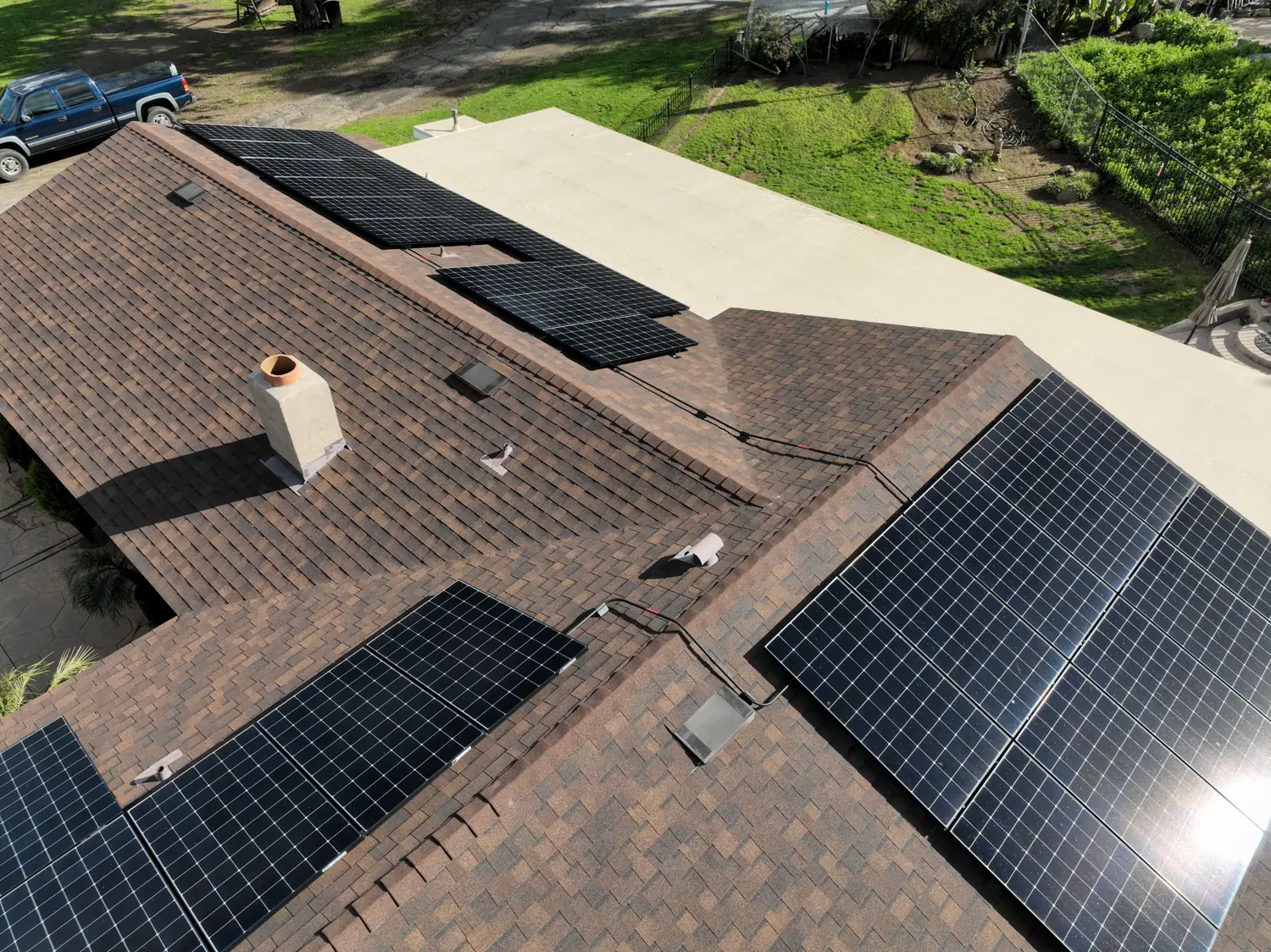
Yes, you can usually add a battery to an existing NEM 1.0 or NEM 2.0 system in San Diego without losing your grandfathered status, as long as it is configured and permitted correctly. Adding panels is riskier: small expansions are typically allowed, but adding more than a modest amount of capacity can move new panels, or your whole system, onto the current NEM 3.0 tariff. Confirm the specifics with SDG&E before you commit to any upgrade.
What does grandfathered NEM status actually protect?
If you went solar under NEM 1.0 or NEM 2.0, you lock in the export rules that applied when your system was interconnected, generally for 20 years from your original interconnection date (as of 2026, confirm the current terms with SDG&E). Under those legacy tariffs, the power you send to the grid earns credit close to the retail rate. Under NEM 3.0, also called the Net Billing Tariff, exported power is worth considerably less. That gap is why your legacy status is worth protecting, and why any change to your system deserves a careful look first.
Your grandfathered status attaches to your existing system and interconnection agreement, not to you personally. When you change the system, SDG&E reviews whether the change counts as routine maintenance, a minor expansion, or a significant modification that triggers the newer rules.
Can you add solar panels to an existing NEM 2.0 system?
You can, within limits. California rules have historically allowed legacy customers to add a small amount of generating capacity, commonly cited as the greater of 1 kW or 10 percent of the original system size, without leaving the legacy tariff. As of 2026, confirm the current threshold with SDG&E, because utility rules and CPUC decisions change. Anything beyond that allowance typically means the added capacity has to go on the current tariff, which may require separate metering, or it can put your entire system at risk of transferring to NEM 3.0.
Common situations where homeowners run into this:
- You bought an EV or a heat pump and your usage has outgrown your original system.
- Panels were damaged and the replacement models have a higher wattage than the originals.
- You want to add a few panels on another roof face to cover new loads.
- You are re-roofing and considering upsizing while the array is off the roof anyway.
Replacing failed panels with equivalent capacity is generally treated as maintenance, not expansion. The trouble starts when the replacement or addition pushes your total capacity past the allowed margin. Even swapping to higher-wattage panels can count, so the paperwork matters as much as the hardware.
Is adding a battery safer than adding panels?
For most legacy customers, yes. Adding battery storage generally does not change your generating capacity, so it does not count against the expansion allowance the way panels do. California rules permit legacy NEM customers to add storage, but the battery typically must be set up so it does not export grid-charged power for net metering credit. Depending on battery size, SDG&E may require specific metering or an approved estimation method (as of 2026, confirm the current requirements with SDG&E).
A battery also changes how you use what you already produce. Instead of sending every midday surplus to the grid, you can store it and run your home through the evening peak, and keep essential loads running during an outage. Popular options include the Tesla Powerwall (about 13.5 kWh usable), Enphase IQ, Generac PWRcell, LG and sonnen. You can compare them on our battery storage page.
California's SGIP program offers rebates for home batteries. As of 2026, approximate tiers are around $200 to $250 per kWh for the general budget, around $850 per kWh for equity customers, and around $1,000 per kWh for equity resiliency customers. Confirm the current figure and availability before you count on it, since funding steps down as each budget fills.
What about the federal tax credit in 2026?
Be clear-eyed here. If you buy panels or a battery outright, with cash or a loan, you do not get a federal credit in 2026. The 30 percent homeowner credit under Section 25D ended for any system finished after 31 December 2025, even if you paid earlier. If a company owns the equipment through a lease, PPA, or prepaid lease or PPA, that company may be able to claim the business credit under Section 48E, and any benefit reaches you only through the price. That depends on construction deadlines and new foreign-entity equipment rules, so ask the provider to confirm it in writing. Our page on federal solar tax credits at our Tax Credit page walks through what ended and what is left.
How do you upgrade without losing your legacy status?
Treat the upgrade as an interconnection project first and a hardware purchase second. A sound process looks like this:
- Pull your current interconnection agreement and permission-to-operate letter so you know your exact system size and interconnection date.
- Calculate how much capacity you can add under the current expansion allowance, using the AC and DC ratings SDG&E actually uses.
- Decide whether a battery alone solves the problem before adding any panels.
- If you add panels, ask whether the addition will be separately metered or placed on NEM 3.0, and get that answer in writing from the utility application.
- Make sure the installer files the modification with SDG&E and does not treat it as a simple add-on.
- Keep every approval letter with your home records, especially if you may sell the house.
Mismatched equipment is another real consideration. Your original inverter may not support new panels or a battery, and adding equipment from a different manufacturer can affect existing warranties. Panels usually carry a 25-year limited manufacturer warranty, and that warranty comes from the manufacturer, not from Powersmith Energy. Ask how any change affects coverage on what you already own.
Why work with an energy consultant instead of going straight to an installer?
Powersmith Energy is a veteran-owned energy consulting company and authorized dealer based in downtown San Diego. We are not an installer and we do not have a crew. We partner with vetted top national and local installers, and our job is to advocate for you through the project: sizing the upgrade so it fits within your legacy allowance, comparing equipment, checking the interconnection paperwork, and holding the installer to what was promised.
That matters for NEM 1.0 and NEM 2.0 customers because the costliest mistake is not a bad panel. It is an upgrade that quietly moves you to NEM 3.0 export rates for the rest of your system's life. Before you decide, run your numbers in our free solar savings calculator, then request a review of your existing system through our Free Quote page.
Is it ever worth giving up grandfathered status?
Occasionally. If your usage has grown a lot, your legacy period is close to ending, or your original equipment is failing, a larger new system paired with storage under NEM 3.0 can still make sense. Under NEM 3.0, exports are worth less than under NEM 2.0, so the design should lean on a battery to use more of your own solar at home. The point is to make that choice on purpose, with real numbers, rather than by accident.
Frequently asked questions
- Will adding a battery make me lose NEM 2.0 in San Diego?
- Usually not. California rules allow legacy NEM customers to add battery storage, but the battery must be configured so grid-charged power is not exported for net metering credit, and SDG&E may require specific metering. Confirm current requirements with SDG&E before installation.
- How many panels can I add to a NEM 2.0 system?
- Legacy customers have historically been allowed to add the greater of about 1 kW or 10 percent of original system capacity without leaving the legacy tariff. As of 2026, confirm the current threshold with SDG&E, because larger additions can move new capacity or the whole system to NEM 3.0.
- Does replacing broken panels affect my grandfathered status?
- Replacing failed panels with equivalent capacity is generally treated as maintenance. Replacements with higher total wattage can count as an expansion, so check the capacity change and file it properly with SDG&E.
- Do I get a federal tax credit for adding a battery in 2026?
- Not if you buy it outright. The homeowner credit under Section 25D ended for systems finished after 31 December 2025. If a company owns the battery through a lease or PPA, it may claim the Section 48E business credit and pass value through the price; get that confirmed in writing.
- Does Powersmith Energy install the upgrade?
- No. Powersmith Energy is a veteran-owned energy consulting company and authorized dealer in San Diego. We partner with vetted national and local installers and advocate for you through the project, including the SDG&E interconnection paperwork.